
Nina’s Hidden Life at Belsito
Senza sangueThis thread traces the Count of Torrelavid’s reversal from assigned killer to husband and protector, and the increasingly precarious life Nina builds at Belsito.
increasing Bearing strength in each event
 decreasing
Bearing strength in each eventdecreasingThe Assignment
The Assignment
A new perceived threat
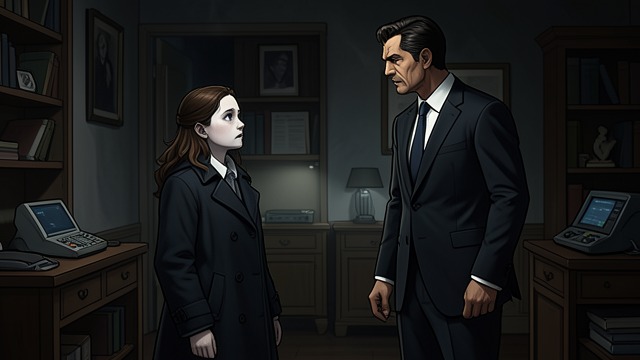
After Salinas’s death, the surviving veterans feared that Nina might know what happened at Mato Rujo. They reasoned that she could become a danger even though she had been a child, hidden beneath the farmhouse during the killings.
The Count is chosen
The group charged the Count of Torrelavid with making her disappear. He had spent the war playing both sides, working for one camp while remaining aligned with the other, a history that made him useful to people accustomed to covert bargains.
Protection begins as coercion
The Count approached Ricardo Uribe with an ultimatum rather than openly challenging the veterans’ plan. His intervention might save Nina, but it began with power exerted over the man who had sheltered her and over Nina herself.
A Choice to Keep Her
A Choice to Keep Her
The ultimatum
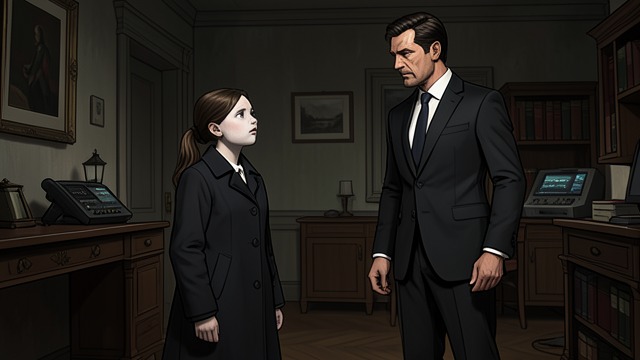
The Count told Uribe that he could face prison over Salinas’s death or disappear and leave Nina to him. Uribe chose to flee, and the Count took responsibility for the girl instead of carrying out the order to eliminate her.
A deliberate refusal
The veterans expected Nina to vanish, but the Count kept her in his home. They made clear that he was supposed to kill her, yet he neither did so nor surrendered her to them.
Rescue without equality
The Count’s refusal interrupted the immediate threat to Nina’s life. Still, he made the decision for her, and the protection he offered remained bound to a household in which she had little power over her own circumstances.
The Marriage and Donna Sol
The Marriage and Donna Sol
A delayed marriage
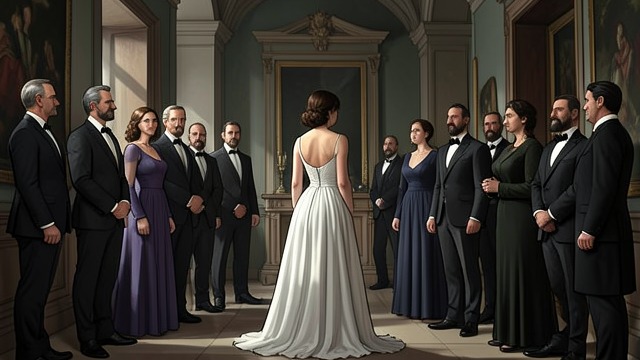
The Count waited sixteen months, then married Nina when she turned fourteen. She later says that she gave birth to three children, compressing a life-changing history into a few matter-of-fact sentences.
A name that replaces another
At Belsito, the Count called her Donna Sol. The name became the public identity of a woman whose earlier name, Nina, belonged to a childhood interrupted by violence and repeated transfers between adults.
The contradiction of shelter
The Count had refused to kill her, but his protection took the form of marriage to a child who had come into his home through a forced exchange. His choice saved her from one outcome without making their relationship simple or restoring the future that had been taken from her.
A Silent Lady of Belsito
A Silent Lady of Belsito
A secluded presence
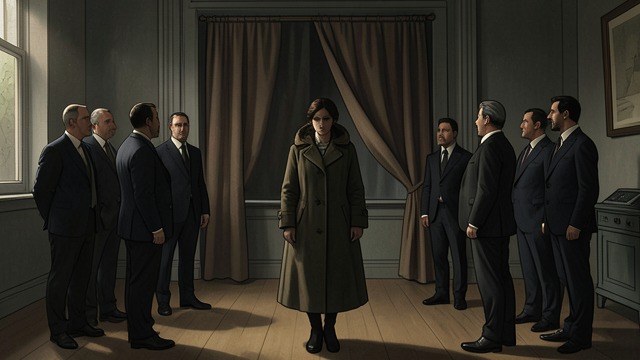
The people around Belsito said Donna Sol never spoke. They believed she had not spoken since the years when Ricardo Uribe kept her, though the account offers rumor rather than a reliable explanation for her silence.
Fear and distance
Nina was rarely seen outside the estate, and people in the area became afraid of her without knowing why. Her silence was treated as a mysterious trait by observers, while her own account suggests a life in which adults repeatedly made decisive choices for her.
A public myth
The name Donna Sol and the story of the silent woman obscured the child who had survived Mato Rujo. The silence became part of the legend surrounding her, letting the community turn an unresolved history into something strange and distant.
Custody and Institutionalization
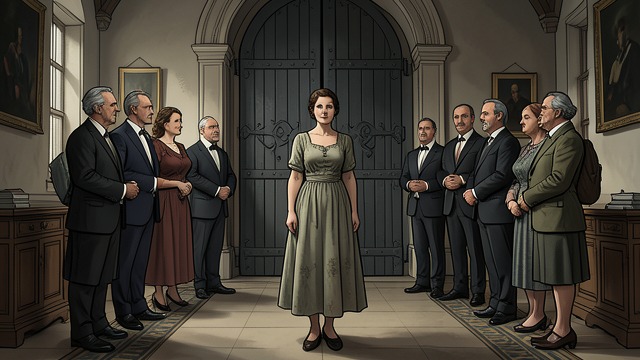
Custody and Institutionalization
The family’s challenge
After the Count died, his relatives argued that Nina was mad and could not safely remain alone with her three sons. A court accepted their position, displacing her from the estate and from the household she had lived in for years.
Belsito lost
Nina was removed from Belsito and placed under medical care in a sanatorium in Santander. The legal decision converted the community’s long-standing unease about her into a formal judgment over her freedom.
A life judged by others
Her path from child to Donna Sol had been controlled by Uribe, the Count, and now the Count’s relatives and the court. This transfer brought her hidden life at Belsito to an end, but it did not settle what she wanted or who she was beyond the stories told about her.
After Salinas dies and the veterans suspect Nina knows something
When the Count confronts Uribe after Salinas’s death
Sixteen months after Nina arrives at Belsito
During Nina’s years in the Count’s household
After the Count dies and his relatives take the dispute to court
